
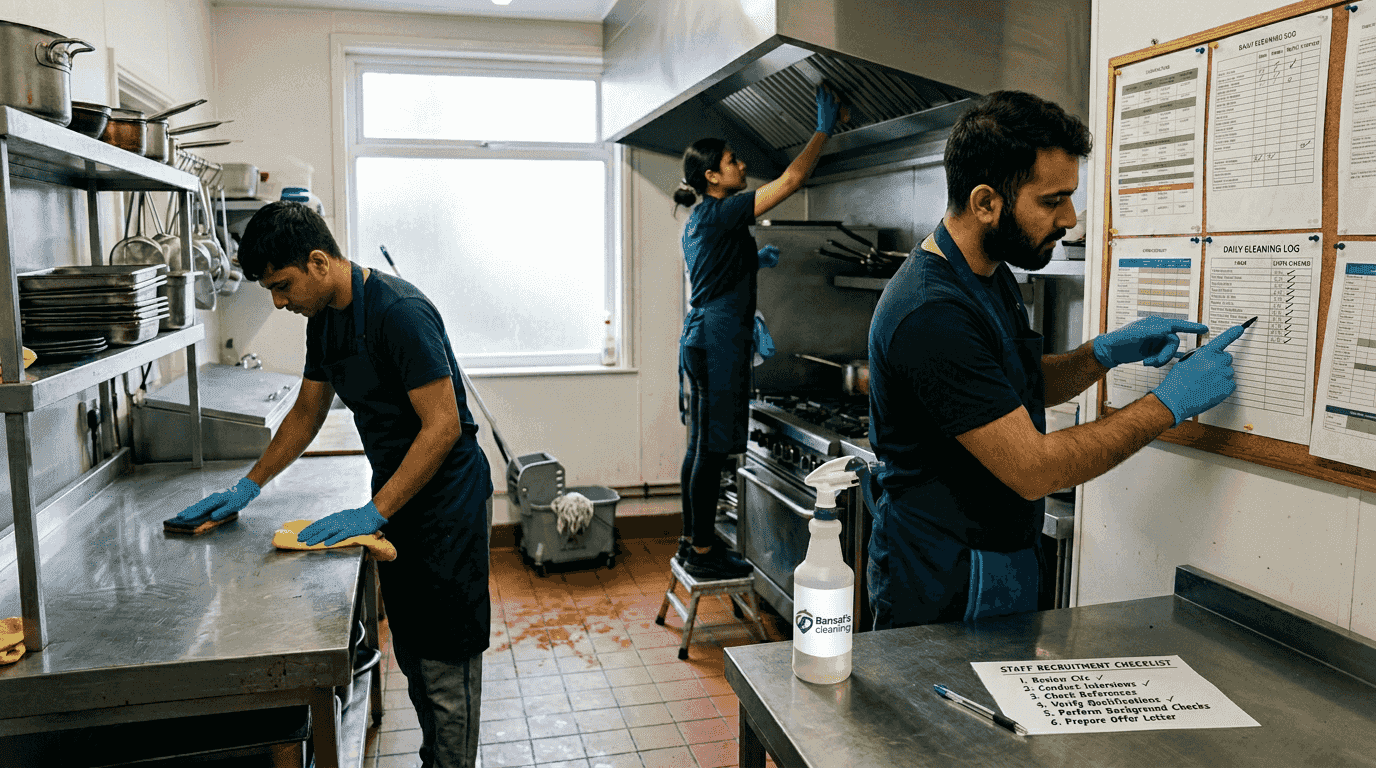
A confectionery plant in Ohio lost £270,000 worth of product after a single failed cleaning cycle contaminated an entire production run. For business owners in Essex managing commercial kitchens, this scenario isn't just a cautionary tale, it's a preventable reality. Many underestimate how inadequate appliance cleaning quietly drains profits through energy waste, compliance failures, and unexpected breakdowns. This guide reveals why expert cleaning protects your investment, satisfies legal requirements, and keeps your kitchen running efficiently.
Table of Contents
- Why Regular Appliance Cleaning Matters For Your Business
- The True Cost Of Neglecting Professional Appliance Cleaning
- How Professional Cleaning Extends Appliance Lifespan And Boosts Efficiency
- Choosing The Right Professional Appliance Cleaning Service In Essex
- Professional Appliance Cleaning Services In Essex With Bansal's Cleaning
Key takeaways
| Point | Details |
|---|---|
| Health and safety | Professional cleaning reduces bacterial contamination by 30-40% and prevents grease fires. |
| Legal compliance | TR19 certification is mandatory under fire safety law in Essex. |
| Financial protection | Clean appliances cut energy costs by 10-15% and extend lifespan by 20%. |
| Insurance requirements | Insurers often deny fire claims without valid TR19 certificates. |
Why regular appliance cleaning matters for your business
Commercial kitchens face hygiene challenges far beyond what a quick wipe can address. Studies show regular cleaning significantly reduces foodborne illness risks in commercial settings, cutting bacterial contamination by 30-40%. Surface cleaning misses hidden grease deposits in extraction systems, ovens, and fryers that harbour dangerous pathogens.
Fire safety demands equal attention. Grease buildup causes most commercial kitchen fires, turning extraction ducts into accelerants during cooking operations. Essex businesses must recognise that TR19 compliance is legally required under the Fire Safety Order, not an optional upgrade.
Your reputation depends on hygiene standards customers never see. A single food safety incident can destroy years of goodwill and trigger devastating online reviews. Professional appliance cleaning services protect both customer health and brand integrity.
Many operators believe daily surface cleaning suffices for commercial appliances. This misconception ignores the reality of deep grease penetration, mineral deposits in steam equipment, and carbon buildup in ovens. Professional services disassemble components, apply industrial degreasers, and inspect hidden areas your staff cannot reach.
Pro Tip: Schedule deep cleaning during off-peak periods to avoid disrupting service while maintaining thorough hygiene standards.
"Regular professional cleaning isn't just about appearances, it's about creating a safe environment where food preparation meets the highest hygiene standards without compromise."
Key areas requiring specialist attention include:
- Extraction systems and ductwork where grease accumulates invisibly
- Oven interiors where carbonised residue affects heat distribution
- Fryer components where oil breakdown creates sticky deposits
- Refrigeration coils where dust reduces cooling efficiency
The true cost of neglecting professional appliance cleaning
The financial impact of inadequate cleaning extends far beyond visible grime. Research reveals unplanned cleaning downtime costs businesses £1.8 million annually on average across food production facilities. For Essex restaurants and commercial kitchens, scaled losses still represent substantial revenue hits during peak trading periods.
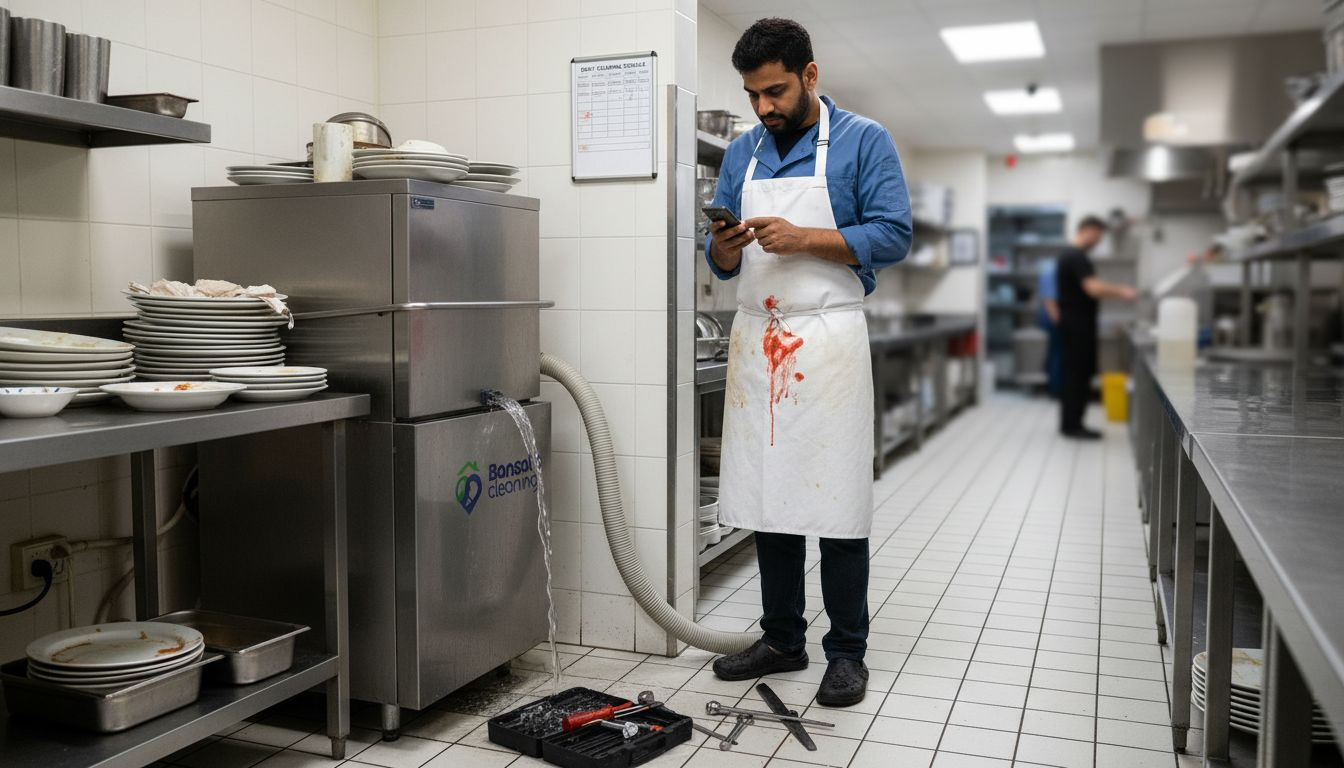
Product contamination creates catastrophic expenses. One documented case saw a confectionery operation lose £270,000 when a failed cleaning cycle contaminated production batches. Commercial kitchens face similar risks when inadequate appliance hygiene compromises food safety protocols.
Insurance complications add another layer of financial vulnerability. Many insurers now demand TR19 compliance proof before processing fire damage claims. Without current certificates, businesses risk complete claim denial even after paying premiums for years. This requirement reflects insurers' recognition that proper cleaning directly prevents the majority of kitchen fires.
Neglected appliances fail at the worst possible moments. Equipment breakdowns during Saturday dinner service or holiday rushes cost far more than the repair bills themselves. Lost revenue, disappointed customers, and emergency callout fees compound into expenses that dwarf preventative cleaning costs. Understanding benefits of regular cleaning helps prioritise maintenance budgets effectively.
Pro Tip: Maintain detailed cleaning logs with dated certificates to streamline insurance renewals and demonstrate compliance during health inspections.
Consider these financial realities:
| Risk Category | Average Cost Impact | Prevention Method |
|---|---|---|
| Fire damage (uncertified) | £50,000-£200,000+ claim denial | TR19-certified extraction cleaning |
| Equipment replacement | £5,000-£15,000 per appliance | Quarterly deep cleaning schedule |
| Food contamination incident | £10,000-£100,000+ recalls/closures | Professional sanitisation protocols |
| Energy waste | £800-£2,000 annually | Regular efficiency maintenance |
How professional cleaning extends appliance lifespan and boosts efficiency
Scheduled deep cleaning delivers measurable returns on your equipment investment. Industry data confirms proper maintenance extends commercial appliance lifespans by up to 20%, delaying costly replacements and protecting capital budgets. A £10,000 combi oven lasting 12 years instead of 10 represents substantial savings when multiplied across your entire kitchen.
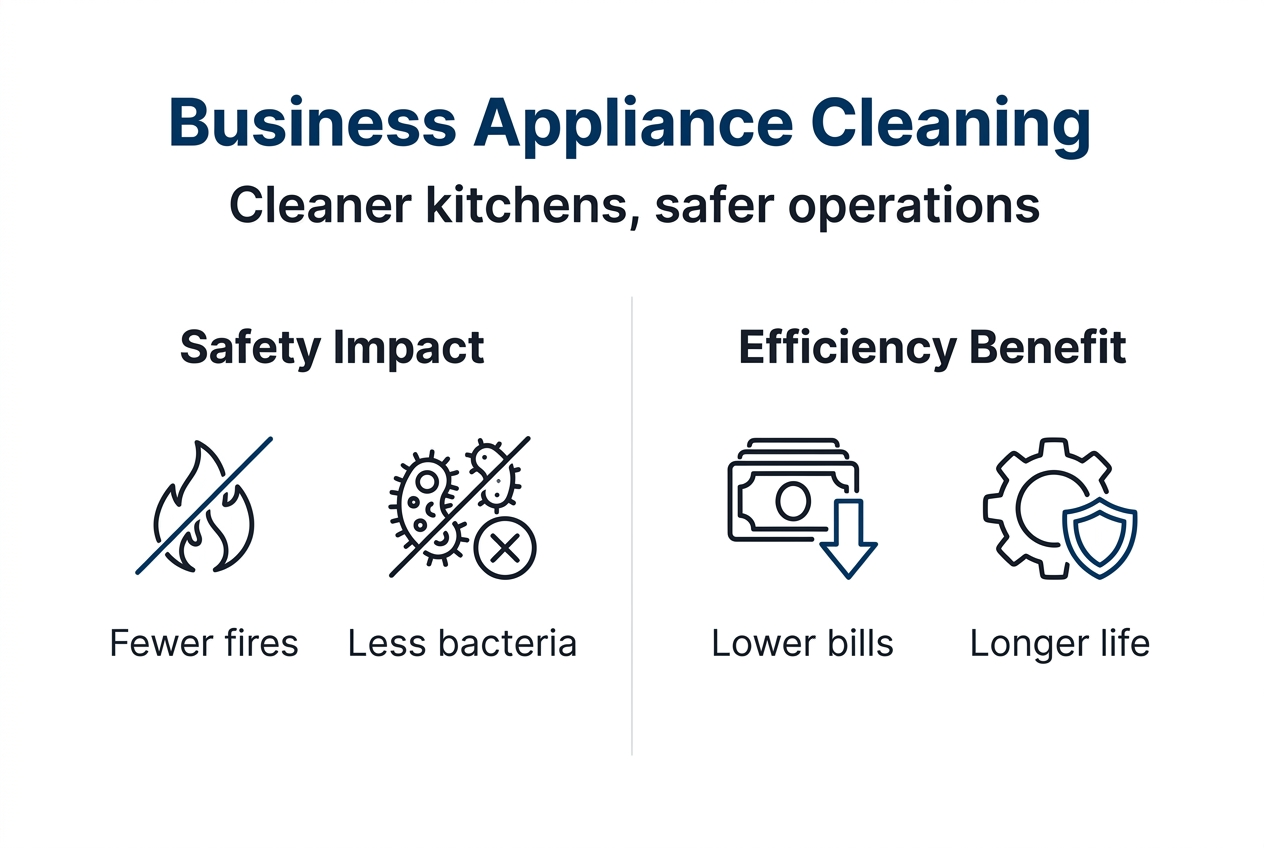
Energy efficiency improvements provide immediate operational benefits. Clean appliances reduce energy consumption by 10-15%, cutting monthly utility bills whilst supporting environmental sustainability goals. Grease-coated heating elements work harder to reach target temperatures, wasting energy and extending cooking times. Clean equipment heats faster, maintains temperatures more consistently, and operates at peak efficiency.
Cleaning frequency depends entirely on kitchen usage intensity. Heavy-use operations running 12-16 hours daily need quarterly cleaning, whilst moderate-use kitchens can extend intervals to six months. Hotels, busy restaurants, and institutional kitchens typically fall into the heavy-use category requiring more frequent attention.
Professional oven cleaning involves far more than wiping surfaces. Specialists completely disassemble removable components, apply commercial-grade degreasers that dissolve carbonised deposits, and inspect hidden areas where grease accumulates unnoticed. Many services now include AI-powered reporting that documents pre-cleaning conditions and post-service results with photographic evidence.
Comprehensive professional appliance cleaning addresses every component:
- Complete disassembly of removable parts for thorough degreasing
- High-pressure washing of extraction systems and ductwork
- Descaling of steam equipment and water-fed appliances
- Carbon removal from oven interiors and heating elements
- Filter replacement in ventilation and extraction systems
- Detailed inspection reporting with compliance certification
Pro Tip: Coordinate professional cleaning with your maintenance calendar to minimise disruption and ensure all systems receive attention simultaneously.
The efficiency gains compound over time. Clean refrigeration coils maintain proper temperatures without overworking compressors. Spotless fryer elements heat oil evenly, reducing cooking times and improving food quality. Well-maintained extraction systems remove cooking vapours effectively, creating a more comfortable working environment that improves staff retention.
Choosing the right professional appliance cleaning service in Essex
Selecting qualified cleaning providers protects your business from substandard work and compliance failures. Prioritise companies offering TR19-certified kitchen extraction cleaning, as this certification confirms they meet strict fire safety standards mandated by law. Without proper certification, you remain liable for safety violations regardless of whether cleaning occurred.
Comprehensive service packages deliver better value than basic offerings. Look for providers including AI-powered inspection reporting and detailed certificates that document pre and post cleaning conditions. These reports provide evidence during insurance renewals and health inspections whilst helping you track improvement over time.
Elanse Cleaning Ltd exemplifies specialist expertise for Essex commercial kitchens. They provide TR19-certified extraction cleaning and executive sparkle services for luxury hotels, multi-site restaurant chains, and high-volume institutional kitchens. Their services include complete grease duct cleaning, final sparkle detailing, and comprehensive certification documentation.
Evaluating potential providers requires comparing multiple factors beyond headline prices:
- TR19 certification status and ongoing training programmes
- Insurance coverage protecting your premises during cleaning work
- References from similar businesses in your sector
- Detailed service specifications outlining what's included
- Emergency response availability for urgent cleaning needs
- Environmental credentials and eco-friendly product usage
Comparison of service features:
| Service Feature | Basic Provider | Professional Specialist |
|---|---|---|
| TR19 certification | Sometimes | Always included |
| AI-powered reporting | Rarely | Standard practice |
| Full disassembly cleaning | Limited | Comprehensive |
| Insurance documentation support | Minimal | Detailed certificates |
| Follow-up inspections | Not offered | Scheduled programme |
Reliable commercial cleaning services should demonstrate clear communication about what each service includes. Question any provider offering unusually low prices, as cutting corners on cleaning chemicals or service time compromises results. Regular kitchen extraction cleaning reduces fire risk only when performed to proper standards with appropriate products and techniques.
Professional appliance cleaning services in Essex with Bansal's Cleaning
Maintaining commercial kitchen safety and efficiency requires specialist expertise you can trust. Bansal's Cleaning delivers professional appliance cleaning specifically tailored for Essex businesses, from independent restaurants to large institutional kitchens. Our services ensure full compliance with hygiene and safety standards whilst boosting appliance performance and longevity.
We understand Essex business owners need reliable cleaning partners who minimise disruption. Our comprehensive commercial cleaning services maintain hygienic, efficient workspaces that protect your reputation and satisfy regulatory requirements. Whether you operate a restaurant, care facility, or commercial kitchen, our team brings the specialist knowledge your appliances demand. Book your professional cleaning assessment today and discover why local businesses trust Bansal's Cleaning for expert appliance maintenance and regular domestic cleaning solutions.
FAQ
How often should commercial kitchen appliances be professionally cleaned?
Heavy-use kitchens operating 12-16 hours daily require quarterly cleaning, whilst moderate-use facilities can schedule services every six months. Extraction systems demand particular attention as grease accumulates rapidly. Adjust frequency based on your specific cooking volume and equipment usage patterns.
What is TR19 certification and why is it important?
TR19 certification confirms cleaning meets strict fire safety standards legally required under the Fire Safety Order. Insurers increasingly demand proof of TR19 compliance before processing fire damage claims. Without current certificates, businesses risk claim denial and regulatory penalties regardless of actual cleaning performed.
Can professional appliance cleaning save money in the long run?
Absolutely. Clean appliances reduce energy consumption by 10-15% whilst extending equipment lifespan by up to 20%. These combined savings dramatically exceed cleaning costs through lower utility bills, fewer breakdowns, and delayed replacement expenses. Professional maintenance transforms cleaning from an expense into a profitable investment.
What should I look for in an appliance cleaning service?
Prioritise providers offering TR19 certification, comprehensive insurance coverage, and detailed inspection reporting. Check references from similar businesses and verify they use proper disassembly techniques rather than surface cleaning only. Request sample certificates and clarify exactly what each service package includes before committing.