

Keeping your kitchen and laundry appliances spotless can feel overwhelming, especially with busy schedules and endless household tasks competing for your attention. Yet neglecting regular appliance cleaning costs you more than you might realise, from higher energy bills to shortened appliance lifespans and even health risks from hidden grime and mould. Essex homeowners and tenants face unique challenges maintaining appliances in varied property types, from period homes to modern flats. This article delivers practical, proven cleaning routines tailored for your Essex home, using simple household items and smart scheduling to keep every appliance hygienic, efficient, and running smoothly throughout 2026.
Table of Contents
- Criteria For Effective Appliance Cleaning Routines At Home
- Detailed Cleaning Tips For Kitchen Appliances
- Maintaining Laundry Appliances And Dryer Safety Tips
- Comparing Diy And Professional Appliance Cleaning Options In Essex
- Explore Professional Appliance Cleaning Services In Essex
Key takeaways
| Point | Details |
|---|---|
| Regular deep cleaning boosts efficiency | Consistent appliance maintenance reduces energy consumption and extends lifespan significantly. |
| Quarterly oven and fridge cleaning | Deep cleaning these appliances every three months prevents grease buildup and odours. |
| Monthly washing machine maintenance | Running vinegar and baking soda cycles monthly prevents mould and keeps clothes fresh. |
| Professional services save time | Expert cleaning tackles tough grease and meets tenancy requirements without the mess. |
| Natural cleaners work brilliantly | Vinegar and baking soda provide safe, affordable, and effective cleaning power for most appliances. |
Criteria for effective appliance cleaning routines at home
Choosing the right cleaning approach for each appliance requires understanding several key factors that influence both effectiveness and practicality. Your cleaning frequency should match how heavily you use each appliance, with monthly maintenance proving effective for moderate use while professional intervention becomes essential for heavy grease accumulation or end-of-tenancy requirements. Using safe natural cleaning agents like vinegar and baking soda protects your appliances from harsh chemical damage whilst delivering excellent results.
Consider these essential criteria when planning your cleaning schedule:
- Match cleaning frequency to actual usage patterns rather than arbitrary timelines
- Prioritise natural cleaning solutions for routine maintenance
- Reserve professional help for deep grease removal and tenancy transitions
- Factor in energy efficiency gains from maintaining cleanliness
- Align routines with your realistic availability and household rhythm
Professional oven cleaning services become particularly valuable when facing stubborn carbonised grease or preparing properties for new tenants. DIY methods excel for regular upkeep, whilst experts handle the intensive work that saves you hours of scrubbing. Energy efficiency improvements from clean appliances can reduce running costs by up to 25%, making regular maintenance a smart financial investment beyond just hygiene.
Pro Tip: Create a simple calendar reminder system on your phone for each appliance's cleaning schedule, grouping similar tasks together to maximise efficiency and ensure nothing gets overlooked throughout the year.
Tailoring your approach to specific appliance conditions matters enormously. A lightly used guest flat requires different attention than a busy family kitchen. Comprehensive appliance cleaning services can assess your unique situation and recommend optimal frequencies, whether you prefer DIY maintenance or professional support.
Detailed cleaning tips for kitchen appliances
Your kitchen appliances work hardest and accumulate the most stubborn grime, requiring specific techniques for thorough results. Ovens demand particular attention due to baked-on grease and food residue that standard wiping cannot shift. Start by removing racks and soaking them overnight in hot soapy water, or coat them with a thick baking soda paste for stubborn stains.
Follow this proven oven cleaning sequence:
- Remove all racks, trays, and thermometers from the oven cavity
- Create a paste using 200g baking soda mixed with water until spreadable
- Coat the entire interior with paste, avoiding heating elements completely
- Leave the paste to work for 12 hours or overnight
- Wipe away dried paste with damp cloths, using a plastic scraper for stubborn spots
- Spray white vinegar on any remaining residue for a fizzing action that lifts grime
- Run the self-clean cycle twice yearly for moderate use to maintain results
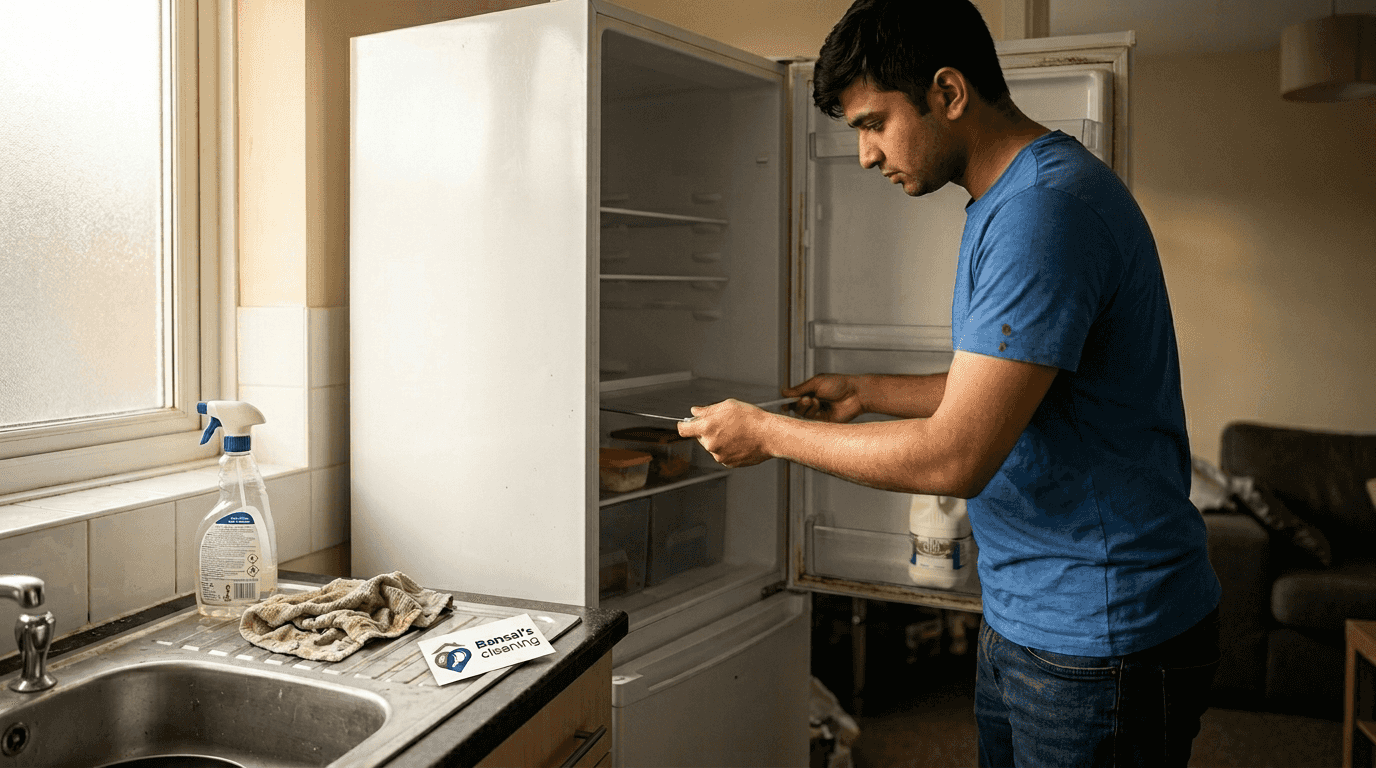
Fridges require different care focused on preventing bacterial growth and maintaining optimal cooling efficiency. Deep cleaning your fridge involves dismantling shelves and drawers, washing them thoroughly with baking soda paste, then wiping all interior surfaces with a vinegar-water solution that prevents pests and eliminates odours. Vacuuming the condenser coils every six to twelve months improves efficiency dramatically, potentially cutting energy consumption by 15%.
| Appliance | Cleaning Frequency | Key Method | Time Required |
|---|---|---|---|
| Oven | Quarterly | Baking soda paste, 12-hour soak | 30 mins active |
| Fridge | Quarterly | Vinegar-water wipe, coil vacuum | 45 mins |
| Dishwasher | Monthly | Filter clean, vinegar cycle | 20 mins |
Dishwashers need regular attention despite cleaning dishes themselves. Monthly filter cleaning and vinegar cycles prevent scum buildup that reduces cleaning effectiveness. Remove the filter from the dishwasher base, rinse under hot water whilst scrubbing with an old toothbrush, then run an empty hot cycle with two cups of white vinegar placed in a dishwasher-safe container on the top rack. Scrub door gaskets and spray arms quarterly to maintain peak performance.
Pro Tip: Place a dishwasher-safe bowl filled with white vinegar on the top rack and run the hottest cycle monthly to dissolve mineral deposits and grease, keeping your dishwasher fresh without expensive commercial cleaners.
Professional oven cleaning expertise becomes invaluable when self-clean cycles prove insufficient or you lack time for intensive DIY methods. Expert fridge cleaning services ensure thorough sanitisation that protects your family's health whilst extending appliance lifespan significantly.
Maintaining laundry appliances and dryer safety tips
Laundry appliances face unique challenges from moisture, lint, and detergent residue that create perfect conditions for mould growth and fire hazards. Front-load washing machines particularly struggle with mould developing in door gaskets, requiring vigilant maintenance to prevent musty odours and health concerns. Wipe the rubber door seal dry after every wash cycle, leaving the door ajar for several hours to allow complete moisture evaporation.
Monthly hot vinegar cycles prevent mould and eliminate odours effectively. Pour two cups of white vinegar directly into the drum, add half a cup of baking soda to the detergent dispenser, then run the hottest, longest cycle available. This combination dissolves detergent buildup, kills mould spores, and freshens the entire machine without harsh chemicals. Top-load machines require similar cleaning with adjusted volumes based on drum capacity.
Implement these essential laundry appliance maintenance tasks:
- Empty dryer lint traps after every single load without exception
- Vacuum the lint trap slot quarterly using a narrow attachment
- Wipe dryer drum interiors quarterly with vinegar solution
- Clean dryer vents and exterior exhaust ports bi-annually
- Inspect washing machine hoses annually for cracks or bulges
- Run washing machine cleaning cycles monthly for optimal hygiene
Dryer maintenance directly impacts fire safety, with lint buildup causing thousands of fires annually across the UK. Beyond emptying the visible lint trap, vacuum the slot beneath it every three months to remove accumulated fibres that escape the screen. Clean external vent covers bi-annually, removing bird nests, leaves, or lint clogs that restrict airflow and create dangerous heat buildup.
| Maintenance Task | Frequency | Safety Impact | Efficiency Gain |
|---|---|---|---|
| Empty lint trap | Every load | High fire risk reduction | 10% faster drying |
| Vacuum lint slot | Quarterly | Medium fire prevention | 15% energy saving |
| Clean dryer vents | Bi-annually | Critical fire safety | 25% efficiency boost |
| Washer door gasket dry | After each use | Prevents mould growth | Maintains performance |
Pro Tip: Keep a small microfibre cloth near your washing machine specifically for wiping the door gasket dry after each cycle, making this crucial habit effortless and automatic rather than a chore you postpone.
Proper maintenance improves efficiency by up to 25% whilst reducing energy bills and extending appliance lifespans considerably. Professional appliance cleaning services can deep clean laundry appliances when DIY methods prove insufficient, particularly valuable for landlords preparing properties or homeowners tackling neglected maintenance.
Comparing DIY and professional appliance cleaning options in Essex
Deciding between DIY cleaning and professional services requires weighing several practical factors beyond just cost. DIY approaches using vinegar and baking soda offer flexibility and affordability, typically costing under £5 for supplies that last months. However, DIY oven cleaning demands significant time investment and physical effort, often requiring several hours of active work plus overnight soaking periods.
Professional cleaning delivers deeper grease removal using specialised equipment and non-toxic solutions, completing in a fraction of the time without leaving you exhausted. Professional oven cleaning in Essex typically starts from approximately £35, representing excellent value when considering the labour saved and superior results achieved. Tenancy situations particularly benefit from professional intervention, ensuring deposit-return standards are met reliably.
| Factor | DIY Cleaning | Professional Cleaning |
|---|---|---|
| Cost | £5-15 supplies | £35-80 per appliance |
| Time Investment | 2-4 hours active work | 1-2 hours total |
| Effectiveness | Good for routine maintenance | Excellent for deep grease |
| Convenience | Requires personal effort | Completely hands-off |
| Best For | Regular upkeep | Heavy buildup, tenancies |
Self-clean oven cycles offer a middle ground, using extreme heat to carbonise residue that you later wipe away. Whilst convenient, excessive use potentially damages oven components and door seals, making quarterly use the maximum recommended frequency. These cycles also consume considerable energy and produce smoke that requires ventilation.
Consider professional services when:
- Facing carbonised grease that resists DIY methods completely
- Preparing properties for end of tenancy inspections
- Lacking time or physical ability for intensive scrubbing
- Wanting guaranteed results for important occasions or viewings
- Combining multiple appliances for cost-effective bulk cleaning
The ultimate professional oven cleaning guide explores techniques and benefits in greater depth, whilst end of tenancy cleaning packages often include appliance cleaning at reduced combined rates. Balancing DIY maintenance between professional deep cleans creates an optimal strategy that maximises value whilst minimising your workload throughout the year.
Explore professional appliance cleaning services in Essex
Having explored comprehensive DIY techniques and compared your options, you might recognise situations where professional support delivers superior value and peace of mind. Professional appliance cleaning saves precious time whilst ensuring thorough hygiene that protects your family's health and your property's value. This becomes particularly valuable during heavy grease situations, tenancy turnovers, or when maintaining efficiency matters most for your household budget.

Bansal's Cleaning offers tailored appliance cleaning services across Essex, bringing expert teams equipped with professional-grade solutions and years of experience to your home. Whether you need a single oven deep clean or comprehensive appliance care throughout your property, flexible scheduling accommodates your lifestyle without disruption. Combining appliance care with regular domestic cleaning creates a spotless home environment that reduces stress and frees your time for what matters most. End of tenancy cleaning services ensure your appliances meet rigorous inspection standards, protecting deposits and landlord relationships effectively.
FAQ
How often should I clean my oven to keep it efficient?
Moderate oven use benefits from thorough cleaning every three to six months, or running self-clean cycles twice yearly maximum. Heavy use or frequent roasting requires quarterly deep cleaning to prevent carbonised buildup that reduces heating efficiency and creates smoke. Professional oven cleaning services become essential for heavy grease or when preparing properties for new tenants, ensuring deposit-return standards are met reliably.
Can vinegar and baking soda effectively clean appliances?
Yes, vinegar and baking soda provide cheap, safe, and remarkably effective cleaning power for routine appliance maintenance. These natural ingredients remove grime, deodorise interiors, and prevent mould growth without harsh chemical residues that might contaminate food or damage appliance surfaces. The fizzing reaction when combined lifts stubborn stains whilst being completely safe for septic systems and the environment.
What are the benefits of professional appliance cleaning in Essex?
Professional cleaning ensures deep grime removal far beyond DIY capabilities, using specialised equipment and techniques that restore appliances to near-new condition. This saves you hours of exhausting scrubbing whilst eliminating mess in your home completely. Professional services particularly support tenancy deposit return requirements, providing documentation and guaranteed results that protect your financial interests and landlord relationships effectively.
How can I prevent mould in my front-load washing machine?
Always leave your washing machine door open after each use to allow complete drying and prevent the damp conditions where mould thrives. Wipe the rubber door gasket dry with a cloth after every wash cycle, paying special attention to the folds where water pools. Run monthly hot vinegar and baking soda cleaning cycles as preventive maintenance, killing any developing mould spores before they establish visible growth or create musty odours that transfer to your laundry.
Recommended
- Appliance cleaning for businesses: keep your kitchen safe
- Types of cleaning services for Essex properties in 2026 - Bansals Cleaning
- Professional Oven Cleaning Services in Essex: A Deep Clean for Your Kitchen - Bansals Cleaning
- The Ultimate Guide to Professional Oven Cleaning in Essex – Sparkle and Shine - Bansals Cleaning