
TL;DR:
- Professional cleaning in Essex follows rigorous BICSc standards to ensure hygiene and compliance.
- A systematic, room-by-room approach with proper tools and verification produces the best results.
- Regular, audited schedules prevent issues and help maintain high standards across properties.
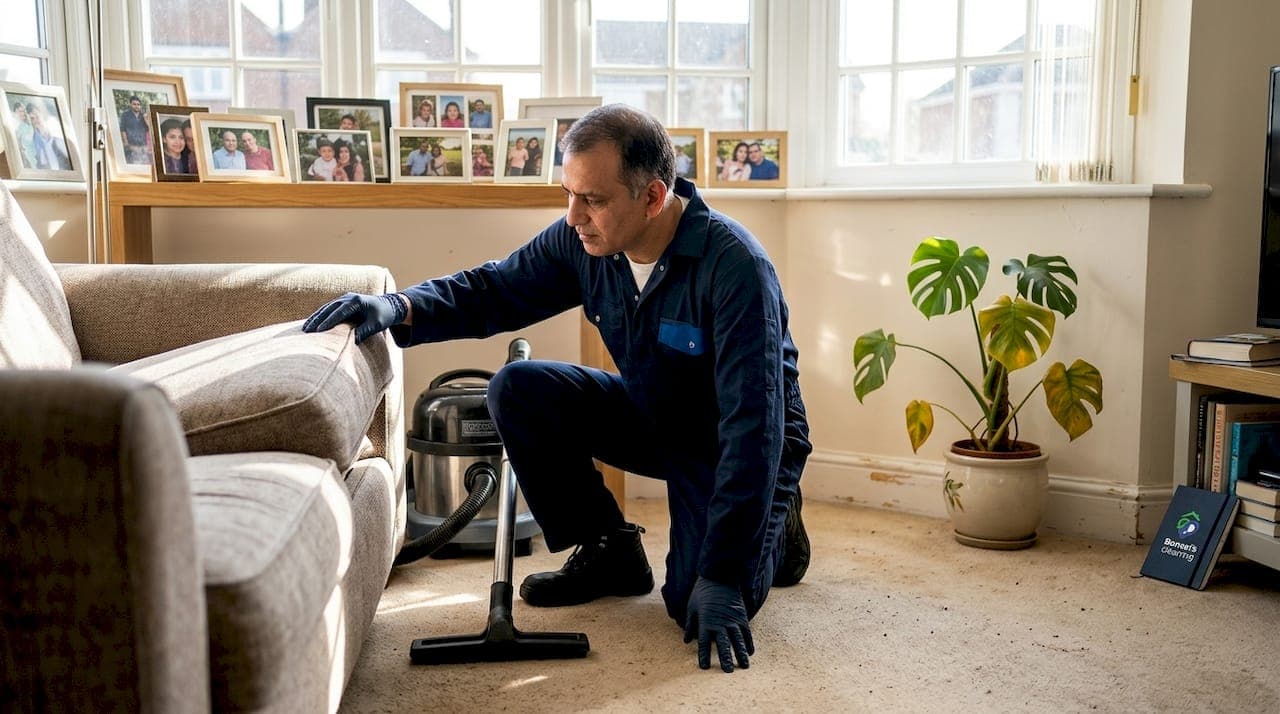
Losing your deposit over a missed oven clean, or facing a compliance notice because a commercial kitchen wasn't sanitised to standard — these are real, avoidable consequences that happen across Essex every year. Whether you're a tenant preparing to vacate, a landlord turning over a property, or a business owner maintaining hygiene standards, getting the cleaning right matters enormously. This guide walks you through everything: the standards that define professional cleaning, the tools you'll need, a room-by-room sequence, the mistakes that catch people out, and how to verify the results hold up to scrutiny.
Table of Contents
- Understanding professional property cleaning standards in Essex
- Getting prepared: Essential tools, materials, and pre-clean checklist
- Step-by-step guide to effective cleaning: Room-by-room approach
- Avoiding common pitfalls and ensuring a truly professional finish
- Why professional cleaning success in Essex is about systems, not secrets
- Get expert help for spotless Essex properties
- Frequently asked questions
Key Takeaways
| Point | Details |
|---|---|
| Follow industry standards | Success means adhering to BICSc or similar benchmarks for reliable, auditable cleans. |
| Prepare before you clean | Declutter, gather professional tools, and use a checklist to avoid wasted effort and missed areas. |
| Clean in the right order | A top-to-bottom, room-by-room sequence saves you from rework and ensures thorough results. |
| Verify and audit | Always finish with a spot-check or audit to confirm every area meets compliance and client standards. |
Understanding professional property cleaning standards in Essex
Not all cleaning is equal. What separates a professional clean from a rushed once-over is measurable, auditable performance. In the UK, the BICSc framework sets the benchmark — and it's more rigorous than most people realise.
BICSc standards guide professional cleaning through colour-coding systems, outcome criteria for measuring cleanliness, and regular audits for hygiene and compliance. Colour-coded cloths — blue for general surfaces, red for toilets, yellow for sinks — prevent cross-contamination between areas. That's not a preference; it's a hygiene protocol that matters in homes, offices, and especially food-preparation environments.
For Essex properties specifically, there are three main types of cleans you'll encounter:
- Routine cleaning: Regular maintenance to keep spaces presentable and hygienic
- Deep cleaning: A thorough, top-to-bottom treatment targeting built-up grime, limescale, grout, and hidden areas
- End of tenancy cleaning: A checkout-standard clean designed to return a property to its original condition and protect deposits
You can explore the full range of cleaning service types in Essex to understand which applies to your situation.
Compliance isn't just for large businesses. Landlords have legal obligations around property condition. Tenants are contractually bound by tenancy agreements. Businesses in food service or healthcare face regulatory inspections. Getting the standard right protects everyone.
| Clean type | Typical scope | Key compliance driver |
|---|---|---|
| Routine | Surfaces, floors, bins | Occupant satisfaction |
| Deep clean | Appliances, grout, air quality | Landlord/tenant agreement |
| End of tenancy | Full property reset | Deposit protection |
| Commercial | Kitchen, offices, communal areas | Health and safety regulations |
Common checklist items across all professional cleans include decluttering, appliance interiors, grout lines, limescale on taps and showerheads, and air quality checks. Missing any of these is where disputes begin.
Getting prepared: Essential tools, materials, and pre-clean checklist
Turning up to a property without the right equipment is like starting a job interview without your CV. Preparation determines whether you achieve a professional finish or spend twice as long fixing avoidable mistakes.
A top-to-bottom approach is the foundation of every effective clean: declutter first, then work from ceilings down to floors, so dust and debris fall onto surfaces you haven't cleaned yet. Cleaning floors before dusting light fittings means doing the job twice.
Pre-clean checklist:
- Remove all personal items and rubbish from every room
- Open windows for ventilation before using any chemical products
- Gather colour-coded cloths, microfibre mop heads, and scrubbing pads
- Prepare eco or hospital-grade cleaning solutions appropriate to each surface
- Assemble PPE: gloves, eye protection, and a mask for heavy-duty tasks
- Check appliances are switched off and cool before cleaning interiors
- Plan your route: start at the top floor, work down to ground level
For windows, overcast days are genuinely better. Direct sunlight dries cleaning solution too quickly, leaving streaks before you can buff them away. It's a small detail that makes a visible difference.
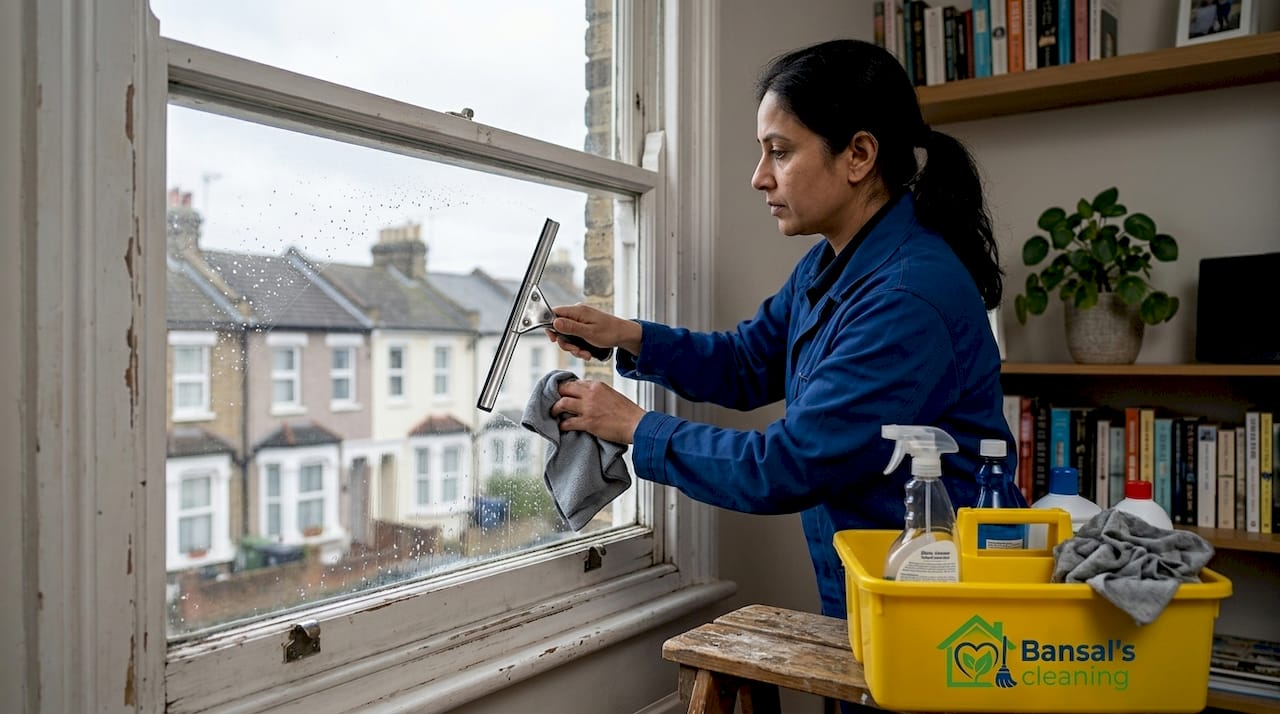
Pro Tip: Fill a caddy with everything you need before entering each room. Constantly returning to a central supply point breaks your rhythm and adds significant time to a full-property clean.
| Tool | DIY version | Professional kit |
|---|---|---|
| Cloths | Household rags | Colour-coded microfibre cloths |
| Mop | Standard string mop | Flat microfibre mop system |
| Vacuum | Domestic hoover | HEPA-filter commercial vacuum |
| Cleaning products | Supermarket sprays | Hospital-grade or eco-certified solutions |
| Grout cleaning | Old toothbrush | Steam cleaner or rotary scrubber |
For a full breakdown of what to prepare before vacating a property, our moving out checklist covers every step. If you want to understand how professionals sequence a deep clean, the deep cleaning workflow guide explains the logic behind each stage.
Step-by-step guide to effective cleaning: Room-by-room approach
With your equipment ready and your sequence planned, here's how to move through an Essex property with professional precision. The order matters as much as the effort.
- Declutter and remove waste from every room before touching any surface
- Ceilings, light fittings, and coving — dust and wipe down, catching cobwebs
- Walls, doors, handles, and light switches — wipe with appropriate solution, paying attention to fingerprint zones
- Surfaces and furniture — dust, then wipe, working from high to low
- Appliances — degrease oven interiors, descale kettles, clean fridge shelves and seals
- Bathrooms and toilets — sanitise thoroughly, descale taps and showerheads, scrub grout
- Kitchen deep clean — cupboard interiors, extractor filters, sink and drainer
- Floors last — vacuum carpets (hot-water extraction for deep cleans), then mop hard floors
For property managers overseeing multiple units, cleaning for property managers outlines how to scale this process efficiently. Commercial properties follow a similar logic — the office cleaning guide adapts these steps for workplaces with high-traffic communal areas.
Preventive maintenance schedules reduce property cleaning costs by 12 to 18%, which adds up significantly across a portfolio of Essex rentals or commercial units.
Pro Tip: For carpets, hot-water extraction (often called steam cleaning) lifts embedded dirt that vacuuming alone misses. It's particularly important in end of tenancy situations where landlords inspect at fibre level.
Edge cases are worth planning for. Post-construction cleans involve plaster dust that clogs standard vacuums — use a HEPA-filter machine. HMOs (houses in multiple occupation) require more frequent attention to communal areas. For appliance cleaning in particular, the sequence and products used make the difference between a pass and a fail on inspection.
The full sequence from end of tenancy checklist confirms: bins emptied, cobwebs removed, doors and handles wiped, dusting completed, floors vacuumed and mopped, bathrooms deep cleaned, and kitchen degreased in that order.
Avoiding common pitfalls and ensuring a truly professional finish
Even experienced cleaners fall into patterns that undermine the final result. Here are the mistakes that most commonly cause re-cleans, deposit disputes, and failed inspections.
- Skipping decluttering: Cleaning around items rather than removing them means you miss surfaces entirely
- Cleaning out of sequence: Mopping before dusting, or cleaning bathrooms before kitchens, creates re-contamination
- Ignoring colour-coding: Using the same cloth in the bathroom and kitchen is a hygiene failure, not just a preference
- Neglecting audit checks: Finishing without a structured review means small misses compound into visible failures
- Using the wrong products: Bleach on stainless steel, or abrasive pads on coated surfaces, causes damage that costs more than the clean itself
"Professional cleaning is verified, not assumed. Outcome-based audit checks — using red, amber, and green ratings — confirm whether hygiene standards have actually been met, not just whether effort was applied."
The BICSc Audit App provides red, amber, and green hygiene reports along with productivity benchmarks, giving cleaning teams and clients a transparent view of performance. This kind of structured verification is what separates a professional service from a well-intentioned one.
For final verification, work through this checklist before signing off:
- All surfaces free of dust, smears, and residue
- Appliance interiors clean and odour-free
- Bathroom grout, taps, and tiles free of limescale and mould
- Floors vacuumed and mopped, with no missed corners
- Windows streak-free inside and out
- All bins emptied and liners replaced
If you want to understand what a professional audit looks like in practice, deep cleaning explained covers the verification process in detail. And if you're comparing quotes, understanding the cleaning quote process helps you assess what's actually included.
Why professional cleaning success in Essex is about systems, not secrets
After years of working across Essex properties, from single-bedroom flats to multi-site commercial spaces, the pattern is clear: the best results don't come from a miracle product or extra elbow grease. They come from a repeatable system applied consistently.
One-off deep cleans are valuable, but they're not the strongest lever. Regular, audited cleaning schedules prevent the build-up that makes deep cleans necessary in the first place. For landlords managing several properties, or businesses with daily footfall, this distinction is the difference between controlled costs and reactive spending.
The same logic applies whether you're doing it yourself or hiring a team. A DIY clean done in the right sequence, with the right products, and verified against a checklist will outperform an expensive service that skips the audit step. Knowing the system means you can hold any provider accountable.
For Essex specifically, transforming property management through consistent cleaning schedules is one of the most underrated tools for retaining tenants and reducing void periods. The properties that stay in best condition aren't cleaned harder. They're cleaned smarter, on a system.
Get expert help for spotless Essex properties
If working through this guide has made one thing clear, it's that professional-standard cleaning requires method, the right materials, and structured verification. That's exactly what Bansal's Cleaning delivers across Essex, every time.
Whether you need end of tenancy cleaning with a deposit-back guarantee, or ongoing commercial cleaning in Essex for your office, restaurant, or business premises, our team follows BICSc-aligned processes and provides full verification on completion. We work with tenants, landlords, estate agents, councils, and businesses across the county. Get an instant quote via call or WhatsApp and book a clean that actually meets the standard.
Frequently asked questions
What is included in a professional property cleaning service in Essex?
Professional property cleaning covers all areas: decluttering, deep cleaning appliances, sanitising bathrooms and kitchens, vacuuming, mopping, and detailed spot-checks using BICSc-approved processes. The full end of tenancy sequence runs from initial decluttering through to final floor cleaning and appliance deep cleans.
How does BICSc affect cleaning results for Essex properties?
BICSc measures and audits cleaning performance, ensuring hygiene, colour-coding, and compliance across all areas in line with national standards. BICSc outcome criteria and colour-coding improve cleaning results and audit compliance measurably.
How often should Essex properties schedule professional cleaning?
Routine professional cleaning should be scheduled at least quarterly for best hygiene, with additional deep or end of tenancy cleans as needed for compliance or post-tenancy. Preventive scheduling reduces property cleaning costs by 12 to 18% and improves overall results.
What's the best way to choose a cleaning expert in Essex?
Use platforms like Checkatrade to find vetted, insured professionals and verify their experience with end of tenancy or business-specific cleans before booking.