
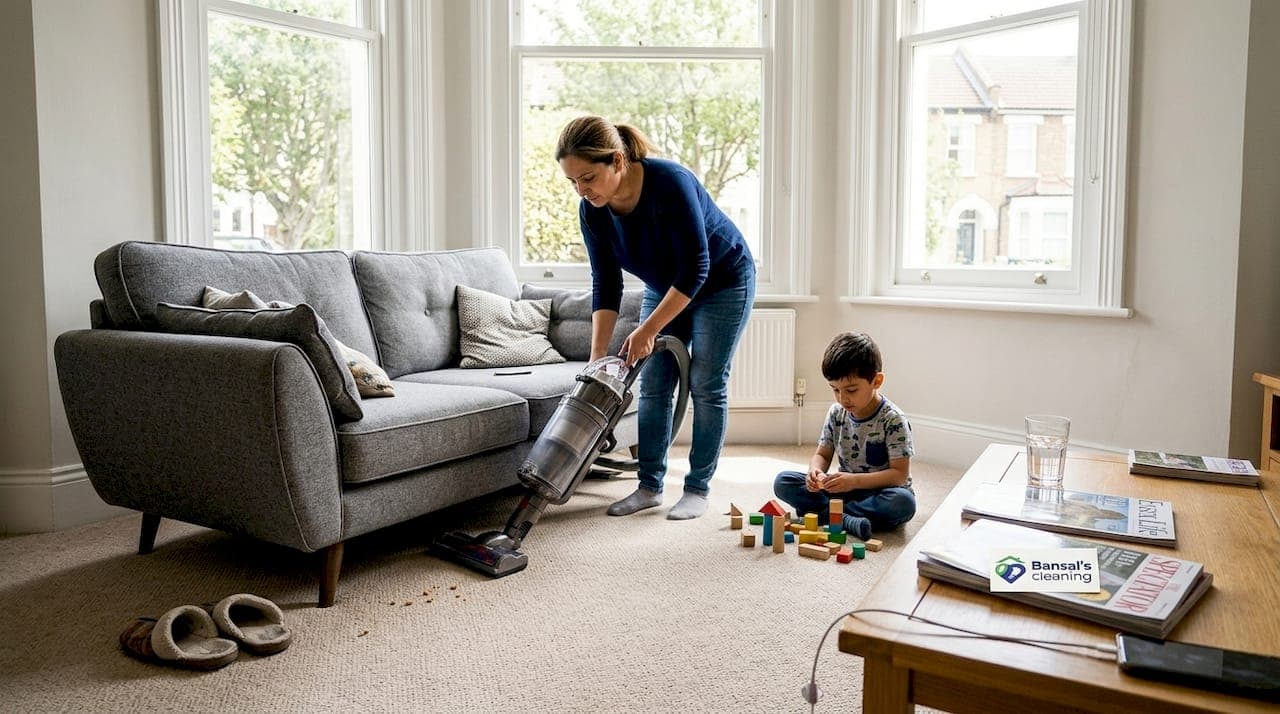
Choosing the right carpet cleaning method directly impacts your home's health and the lifespan of your carpets. For Essex homeowners and tenants, professional carpet cleaning offers a powerful way to reduce allergens, improve indoor air quality, and maintain a fresh living environment. This guide explores the key benefits of professional carpet cleaning, compares popular methods like steam and dry cleaning, and provides practical advice to help you make informed decisions. You'll discover how regular professional cleaning transforms your home into a healthier, more comfortable space for your family.
Table of Contents
- Key takeaways
- How to evaluate carpet cleaning options for your Essex home
- Benefits of hot water extraction (steam cleaning) for allergen control
- When dry carpet cleaning is suitable and its main advantages
- Comparing professional carpet cleaning methods: steam vs dry cleaning
- Practical tips for maintaining clean, allergen-free carpets in Essex homes
- Trusted professional carpet cleaning services in Essex
- Frequently asked questions about carpet cleaning benefits
Key Takeaways
| Point | Details |
|---|---|
| Deep steam clean | Hot water extraction provides the deepest clean by dissolving and extracting embedded soils and allergens. |
| Match method to carpet type | The cleaning approach should suit fibre type and manufacturer guidance to avoid damage. |
| Health and longevity gains | Regular professional cleaning improves indoor air quality and extends carpet life. |
| Faster but less thorough | Dry cleaning offers quicker turnaround but does not reach deeply embedded allergens. |
How to evaluate carpet cleaning options for your Essex home
Selecting the right carpet cleaning method requires understanding several key factors. Your carpet's fibre type plays a crucial role in determining which approach works best. Natural fibres like wool need gentler treatment, whilst synthetic carpets tolerate more aggressive cleaning. Allergen concerns should guide your decision, especially if family members suffer from asthma or allergies.
Drying time matters for busy households. Some methods require 24 hours before you can walk on carpets again, whilst others allow use within hours. Consider your schedule and whether you can keep rooms off limits during drying. Environmental impact increasingly influences choices, with many Essex residents preferring eco-friendly solutions that protect children and pets.
Hot water extraction involves multiple cleaning phases including preconditioning and powerful extraction to remove embedded soils and allergens. This method customises preconditioning agents to match your carpet fibres, ensuring optimal cleaning without damage. The depth of cleaning addresses embedded dirt and allergens rather than just surface appearance.
When evaluating carpet cleaning benefits in Essex homes, consider these essential criteria:
- Carpet fibre composition and manufacturer recommendations
- Severity of allergen issues and household sensitivities
- Available drying time and room accessibility
- Budget for initial service and ongoing maintenance
- Environmental preferences and chemical sensitivities
Dry cleaning suits delicate fibres or situations requiring quick turnarounds, but offers less depth for tackling embedded allergens. Understanding various carpet cleaning techniques helps you match the method to your specific needs. The investment in professional cleaning pays dividends through improved health outcomes and extended carpet life.
Benefits of hot water extraction (steam cleaning) for allergen control
Steam cleaning stands as the gold standard for removing allergens and creating healthier Essex homes. This method uses hot water combined with specialised detergents to dissolve and extract deeply embedded soil, dust mites, pet dander, and other contaminants that regular vacuuming cannot reach. The high temperature kills bacteria and neutralises allergens, providing relief for allergy and asthma sufferers.
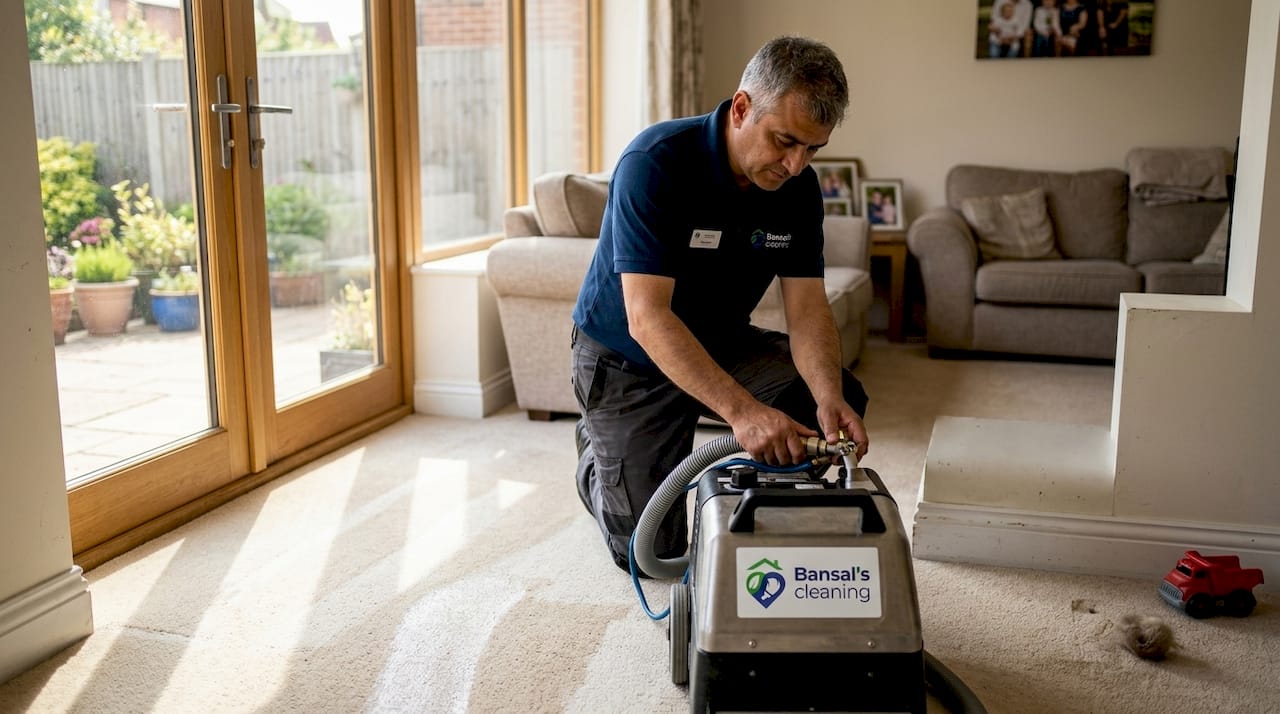
Research demonstrates impressive results. Hot water extraction reduces surface allergens like dust mites by 91-95%, pet allergens up to 97%, airborne allergens by 67%, mould by 55%, and bacteria by 90%. These dramatic reductions create measurable improvements in indoor air quality, particularly beneficial for families with young children or elderly members.
The process works through several phases. Technicians first vacuum thoroughly to remove loose debris. They then apply preconditioning agents matched to your carpet type, which break down oils and embedded soils. Hot water injection follows, penetrating deep into carpet fibres whilst powerful extraction immediately removes the water along with dissolved contaminants. This simultaneous injection and extraction prevents over-wetting and accelerates drying.
Key advantages of steam cleaning include:
- Deepest clean available for residential carpets
- Kills dust mites, bacteria, and mould spores through heat
- Removes pet odours at the source rather than masking them
- Safe for most carpet types when performed correctly
- Complements regular vacuuming for comprehensive allergen control
Pro Tip: Schedule steam cleaning during warmer months when open windows and natural ventilation speed drying times. This reduces drying from 24 hours to 12-18 hours in many Essex homes.
Regular steam cleaning creates a foundation for maintaining healthy indoor environments. Following a steam cleaning guide ensures you maximise benefits whilst protecting your carpet investment. The thorough extraction process removes not just allergens but also the residues that attract future soiling, keeping carpets cleaner longer between professional services.
When dry carpet cleaning is suitable and its main advantages
Dry cleaning offers a practical alternative when circumstances require faster drying or delicate carpet fibres need gentler treatment. This method uses low-moisture compounds or encapsulation powders that absorb surface soil without saturating carpet fibres. The cleaning agents trap dirt particles, which are then vacuumed away after a brief dwell time.
Dry cleaning uses low-moisture compounds that absorb surface soil and dry quickly within 1-4 hours, suitable for delicate fibres but less effective for deep allergens. This speed makes it ideal for commercial settings, rental properties between tenancies, or homes where keeping rooms accessible matters. The minimal moisture also suits natural fibres like wool or silk that might shrink or discolour with traditional steam cleaning.
The encapsulation process creates microscopic crystals around dirt particles. As these crystals dry, they release from carpet fibres and can be vacuumed away. This leaves carpets clean and residue-free without the extended drying times of water-based methods. However, the surface-focused approach means deeply embedded allergens and contaminants remain largely untouched.
Ideal situations for dry cleaning:
- Quick turnarounds for events or property showings
- Delicate natural fibres requiring moisture-sensitive care
- Maintenance cleaning between deeper steam treatments
- High-traffic areas needing frequent light cleaning
- Situations where extended drying time creates problems
Pro Tip: Combine dry cleaning for regular maintenance with annual steam cleaning for comprehensive allergen control. This approach balances convenience with thorough deep cleaning for optimal carpet health.
Whilst dry cleaning excels in specific scenarios, it cannot match steam cleaning's allergen removal capabilities. Essex homeowners dealing with allergies or asthma should prioritise steam cleaning for health benefits, reserving dry methods for interim maintenance. Eco-friendly carpet cleaning options exist for both methods, allowing environmentally conscious choices regardless of which approach suits your needs.
Comparing professional carpet cleaning methods: steam vs dry cleaning
Understanding the practical differences between steam and dry cleaning helps you choose the method that best serves your Essex home. Each approach offers distinct advantages depending on your priorities, carpet type, and household circumstances.
| Factor | Steam cleaning | Dry cleaning |
|---|---|---|
| Allergen removal | 91-97% reduction in major allergens | 40-60% surface allergen reduction |
| Drying time | 12-24 hours typical | 1-4 hours typical |
| Depth of clean | Reaches carpet backing and pad | Surface to mid-fibre cleaning |
| Carpet fibre suitability | Most synthetics, treated natural fibres | All fibres including delicate materials |
| Odour elimination | Removes odour sources completely | Masks odours temporarily |
| Cost | Moderate to high | Low to moderate |
| Frequency needed | Every 6-12 months | Every 3-6 months |
Steam cleaning delivers superior results for deep allergen and microbial removal, making it the preferred choice for health-focused households. The thorough extraction process addresses embedded contaminants that accumulate over months and years. Dry cleaning excels when time constraints matter or delicate fibres require gentler handling.
Interestingly, carpets trap allergens better than hard floors, reducing airborne exposure; steam cleaning provides deeper allergen removal though dry cleaning offers faster drying. This means carpeted homes can actually reduce airborne allergen exposure compared to hard floors, provided carpets receive regular professional cleaning.
Key decision factors:
- Choose steam cleaning for maximum allergen control and deep soil removal
- Select dry cleaning when quick drying or delicate fibres take priority
- Consider carpet age and condition when determining cleaning intensity
- Factor in household allergen sensitivities and health requirements
Both methods substantially outperform leaving carpets unclean, which allows allergen accumulation and degrades indoor air quality. The choice between steam and dry cleaning often comes down to balancing thoroughness against convenience. Many Essex households adopt a hybrid approach, using dry cleaning for quarterly maintenance and steam cleaning annually for comprehensive deep cleaning. Exploring various cleaning service options helps you create a customised maintenance schedule.
Practical tips for maintaining clean, allergen-free carpets in Essex homes
Establishing a consistent carpet maintenance routine maximises the benefits of professional cleaning whilst extending carpet life. The combination of regular professional services and proper home care creates the healthiest possible indoor environment.
Scheduling professional cleaning every 6-12 months combined with regular vacuuming optimises allergen control and carpet longevity. High-traffic areas or homes with pets may benefit from more frequent professional attention. Between professional cleanings, vacuum at least twice weekly using a machine with HEPA filtration to capture fine particles.
Address spills immediately to prevent staining and bacterial growth. Blot liquids rather than rubbing, which pushes contaminants deeper into fibres. Use white cloths to avoid colour transfer, and work from the spill's outer edge toward the centre. For persistent stains, consult professionals rather than applying harsh chemicals that might damage fibres or leave residues.
Eco-friendly hot water extraction options protect your family and pets whilst delivering excellent cleaning results. These methods use biodegradable detergents and avoid harsh chemicals that can trigger sensitivities or leave toxic residues. Discuss green cleaning options when booking services to ensure alignment with your environmental values.
Essential maintenance practices:
- Vacuum high-traffic areas twice weekly, entire carpet weekly
- Use doormats at all entries to reduce tracked-in soil
- Remove shoes indoors to minimise dirt and outdoor allergens
- Rotate furniture periodically to distribute wear patterns
- Schedule professional cleaning before allergen levels become problematic
Pro Tip: Keep a carpet maintenance log noting professional cleaning dates, methods used, and any problem areas. This history helps technicians tailor future services and tracks your carpet's condition over time.
Proper ventilation after professional cleaning accelerates drying and prevents musty odours. Open windows when weather permits, run ceiling fans, and use dehumidifiers in humid conditions. Avoid walking on damp carpets to prevent re-soiling and allow fibres to properly set. Following these practices between professional services maintains the health benefits and extends the time between deep cleans. Regular attention to maintaining carpet cleanliness creates lasting value from your professional cleaning investment.
Trusted professional carpet cleaning services in Essex
Experiencing the health and maintenance benefits described throughout this guide starts with choosing qualified local professionals who understand Essex homes. Expert technicians assess your specific carpet type, household needs, and allergen concerns to recommend the most effective cleaning approach.

Local specialists offer tailored solutions including eco-friendly hot water extraction that delivers deep allergen removal whilst protecting your family and the environment. These services help maintain allergen-free homes cost-effectively, extending carpet life and creating healthier indoor spaces. Professional carpet cleaning services combine technical expertise with quality equipment that achieves results impossible with consumer-grade machines.
Combining carpet care with upholstery and regular domestic cleaning creates a comprehensive home cleaning routine. This integrated approach addresses all soft surfaces where allergens accumulate, maximising health benefits throughout your home. Many Essex residents find that coordinating these services simplifies scheduling whilst ensuring consistent professional attention. Explore eco-friendly carpet cleaning services that align with sustainable living values, or establish regular domestic cleaning schedules that maintain the fresh, healthy environment professional carpet cleaning creates.
Frequently asked questions about carpet cleaning benefits
How often should Essex homeowners schedule professional carpet cleaning?
Most Essex homes benefit from professional cleaning every 6-12 months, with high-traffic areas or homes with pets requiring more frequent attention. This schedule maintains optimal allergen control and extends carpet life significantly compared to cleaning only when carpets look dirty.
What is the main difference between steam and dry carpet cleaning?
Steam cleaning uses hot water extraction to remove deeply embedded allergens and achieves 91-97% allergen reduction, whilst dry cleaning uses low-moisture compounds for faster drying within 1-4 hours but provides only surface-level cleaning. Steam cleaning requires 12-24 hours drying time but delivers superior health benefits.
Can professional carpet cleaning help with allergies and asthma?
Yes, professional steam cleaning dramatically reduces household allergens including dust mites, pet dander, mould, and bacteria by up to 97%. This creates measurable improvements in indoor air quality and provides significant relief for allergy and asthma sufferers, particularly when combined with regular vacuuming.
Are eco-friendly carpet cleaning options effective?
Eco-friendly hot water extraction methods deliver excellent cleaning results whilst using biodegradable detergents that protect families and pets. These approaches avoid harsh chemicals without sacrificing cleaning power, making them ideal for environmentally conscious Essex households and those with chemical sensitivities.
How long do carpets take to dry after professional cleaning?
Steam cleaning typically requires 12-24 hours for complete drying, though good ventilation can reduce this to 8-12 hours. Dry cleaning methods allow use within 1-4 hours, making them suitable when quick turnaround matters. Drying time varies with humidity, airflow, and carpet thickness.