
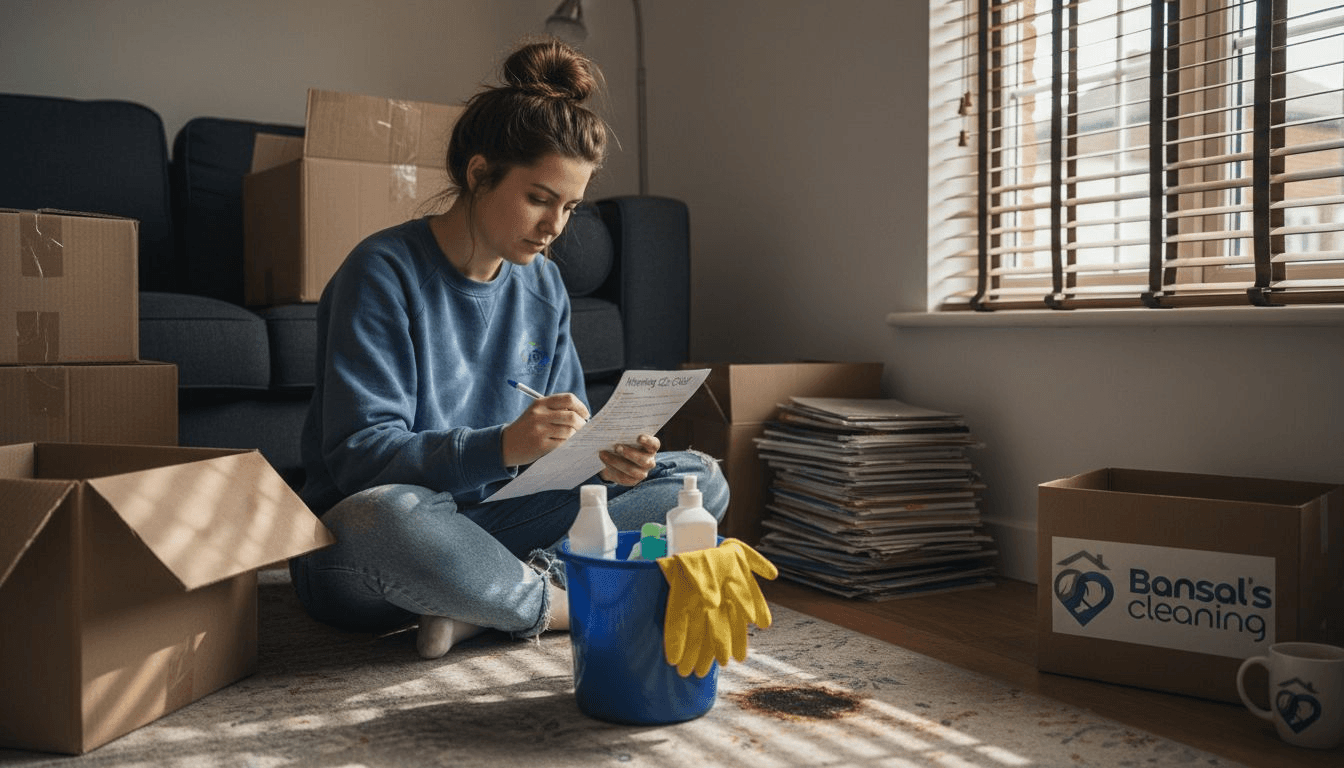
Moving out of a rented property in Essex can be stressful, especially when your tenancy deposit is on the line. Many tenants lose part or all of their deposit due to inadequate cleaning, often because they're unsure what landlords expect or which areas demand the most attention. This comprehensive checklist addresses exactly that problem. You'll discover the essential cleaning tasks for every room, understand what landlords scrutinise most, and learn whether to hire professionals or tackle the job yourself. With practical tips and eco-friendly alternatives, this guide ensures you leave your property spotless and reclaim your full deposit in 2026.
Table of Contents
- Criteria To Consider When Preparing Your Moving Out Cleaning Checklist
- Essential Cleaning Tasks For Each Room In Your Move Out Checklist
- Comparison Of Professional Cleaning Versus Diy Move Out Cleaning
- Eco-Friendly And Budget-Friendly Tips For Your Moving Out Cleaning
- Professional Moving Out Cleaning Services In Essex With Bansal's Cleaning
- What Is Included In A Moving Out Cleaning Checklist?
- How Much Does Professional Moving Out Cleaning Cost In Essex?
- Can I Use Eco-Friendly Products For End Of Tenancy Cleaning?
- How Long Does Moving Out Cleaning Usually Take?
Key takeaways
| Point | Details |
|---|---|
| Protect your deposit | Thorough cleaning prevents deductions and ensures you meet landlord inventory standards. |
| Kitchen and oven priority | These areas receive the most scrutiny during final inspections and cause frequent deposit disputes. |
| Professional versus DIY | Weigh time savings and deposit security against costs ranging from £80 to £350 for professional services. |
| Eco-friendly options | Vinegar and bicarbonate of soda offer effective, budget-friendly alternatives for most cleaning tasks. |
| Structured checklist reduces stress | Following a room-by-room plan saves time and ensures no critical areas are overlooked. |
Criteria to consider when preparing your moving out cleaning checklist
Before you grab your cleaning supplies, you need to understand what shapes an effective moving out checklist. Your landlord will compare the property's condition against the initial inventory report. Landlords require properties returned to inventory standards, which means professional-level cleanliness protects you from deposit deductions and disputes. This isn't about making the place look tidy. It's about restoring it to the exact condition documented when you moved in.
The kitchen and oven demand special attention because they accumulate the most grime during a tenancy. Grease splashes, burnt-on food, and limescale build-up in these areas signal neglect to landlords. Bathrooms follow closely, with mould, soap scum, and mineral deposits around taps and tiles. These high-scrutiny zones often determine whether you receive your full deposit back.
Property size directly affects your cleaning scope and timeline. A studio flat requires fewer hours than a three-bedroom house, but both need the same level of thoroughness. Consider the property's condition too. If you've maintained regular cleaning throughout your tenancy, the final clean will be quicker. Neglected properties need deep cleaning, which increases both time and potential costs.
Budget matters when deciding between professional services and DIY cleaning. Professional end of tenancy cleaning costs vary based on property size, location within Essex, and additional services like carpet or upholstery cleaning. Studios might cost £80 whilst larger homes can reach £350. Factor in your available time too. A thorough clean of a two-bedroom property takes five to seven hours, and that's if you know exactly what you're doing.
Extra services add to the bill but improve results significantly. Carpet cleaning removes embedded dirt and odours that vacuuming alone can't tackle. Upholstery cleaning refreshes sofas and chairs. Appliance deep cleaning, especially for ovens and fridges, addresses the areas landlords inspect most carefully. If your tenancy agreement specifies professional cleaning for certain items, these become non-negotiable expenses.
Pro Tip: Request a copy of your initial inventory report before you start cleaning. Use it as your reference checklist to ensure you address every area the landlord documented at move-in.
Essential cleaning tasks for each room in your move out checklist
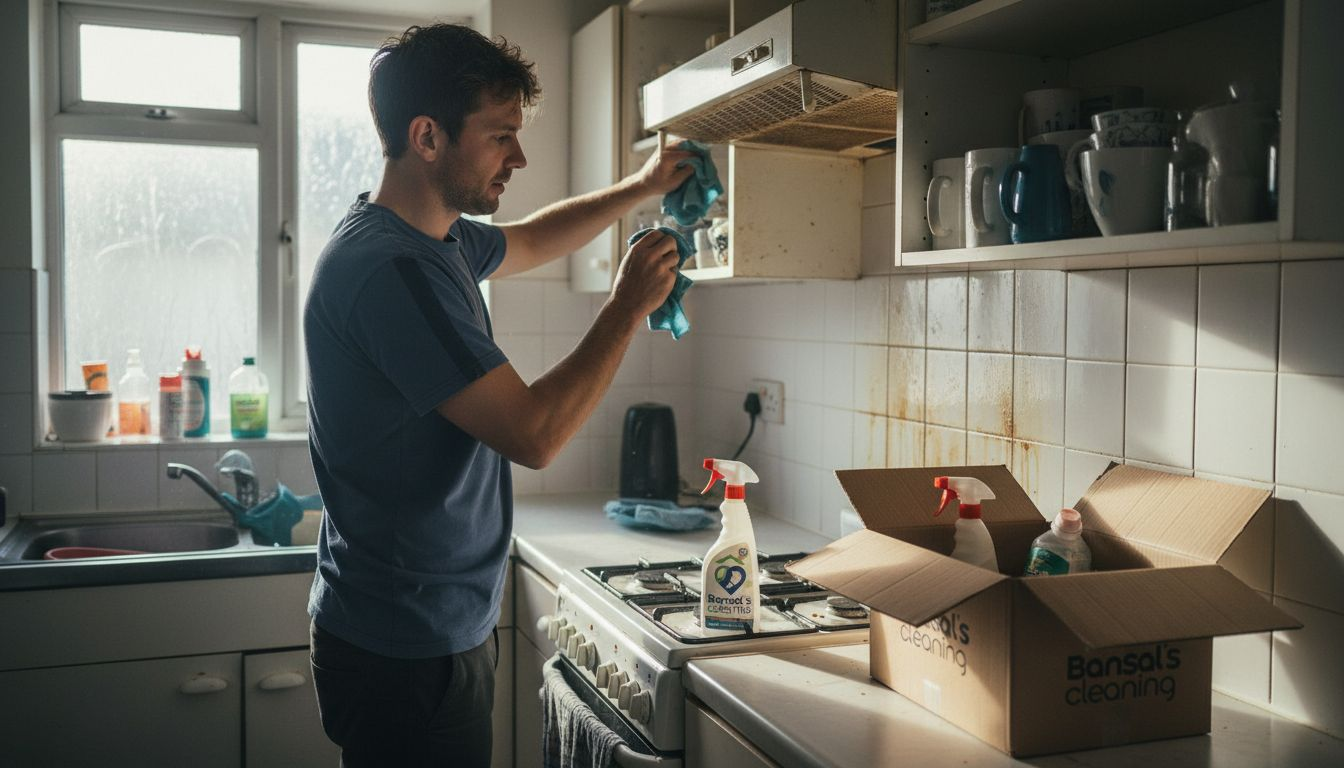
Your kitchen receives intense scrutiny during final inspections. Kitchens get the most attention from landlords because they show the most wear. Start with your oven, which causes the most common deposit deductions when left dirty. Remove racks and trays, soak them in hot soapy water, then scrub the interior with a degreaser. Don't forget the oven door, including between the glass panels if accessible. Clean inside the grill and beneath the hob plates.
Move to other kitchen surfaces systematically. Wipe down all cupboard fronts, inside and out. Clean the extractor fan and filter to remove built-up grease. Descale taps and the sink, paying attention to the plughole and overflow. Scrub tiles and grouting, especially around the cooker where grease accumulates. Empty and clean the fridge and freezer, defrosting if necessary. Professional oven cleaning services can save hours and guarantee results that meet landlord standards.
Bathrooms demand similar attention to detail. Scrub tiles from ceiling to floor, treating any mould with appropriate cleaners. Descale all taps, showerheads, and chrome fixtures until they shine. Clean the toilet thoroughly, including behind the seat hinges and around the base. Remove limescale from the toilet bowl and under the rim. Scrub the bath, shower tray, and shower screen or curtain. Don't overlook the extractor fan grille and bathroom cabinet shelves.
Living areas and bedrooms need comprehensive attention too. Dust all surfaces, including the tops of door frames, picture rails, and skirting boards. Clean light fittings and lampshades. Vacuum carpets thoroughly, moving furniture to reach every corner. If you have hard floors, sweep then mop with appropriate cleaner. Wipe down all switches and sockets. Clean windows inside and out, including frames and sills. Dust or wipe blinds and curtain rails.
Hallways and doors complete your checklist. Clean all door handles and light switches, which accumulate fingerprints and grime. Remove scuff marks from walls and doors using a gentle cleaner. Wipe down the front door inside and out. Vacuum and mop hallway floors, paying attention to corners where dust collects. Clean the letterbox and door knocker if present.
Pro Tip: Work from top to bottom in each room. Dust falls downwards, so cleaning ceilings and high surfaces first prevents you from having to re-clean lower areas.
Comparison of professional cleaning versus DIY move out cleaning
Deciding between professional cleaners and doing it yourself depends on several factors. Professional cleaning saves substantial time and reduces deposit risk, but costs vary significantly. Average end of tenancy cleaning costs around £170 for a standard two-bedroom home in 2026. Studios start from £80, whilst larger properties can reach £350. Hourly rates range from £20 to £30 per hour, with higher rates in major Essex towns.
Professional cleaners bring expertise, commercial-grade equipment, and guaranteed results. They know exactly what landlords expect and which areas receive the most scrutiny. Many offer deposit-back guarantees, meaning they'll return to rectify any issues flagged during the final inspection. This peace of mind proves valuable when you're juggling other moving tasks. Professional services also complete the work faster because they have teams and efficient systems.
DIY cleaning saves money but requires thoroughness and time commitment. You'll need to purchase or hire cleaning supplies and equipment. A full deep clean of a two-bedroom property takes five to seven hours for someone experienced. If you're unfamiliar with professional cleaning standards, you might spend longer and still miss critical areas. Cleaning issues cause 27% of deposit deductions across the UK, often because tenants underestimate what's required.
| Factor | Professional Cleaning | DIY Cleaning |
|---|---|---|
| Cost | £80 to £350 depending on property size | £20 to £50 for supplies and equipment hire |
| Time required | 3 to 6 hours with a team | 5 to 10 hours for one person |
| Deposit risk | Low, often with guarantees | Higher, depends on your thoroughness |
| Equipment quality | Commercial-grade tools and products | Domestic supplies, may need to hire steamers |
| Expertise | Trained professionals know landlord standards | Learning curve, risk of missing areas |
Extra services affect your decision too. Professional carpet cleaning costs between £25 and £75 depending on the number of rooms. Upholstery cleaning adds £30 to £80. Appliance deep cleaning, particularly for ovens, costs £40 to £80. These extras improve results significantly but increase the total bill. If you attempt them yourself, you'll need to hire equipment like carpet cleaners or steam cleaners, which partially offsets the cost savings.
Consider your situation honestly. If you're time-poor, moving long distances, or lack confidence in achieving professional standards, hiring cleaners makes sense. If you're budget-conscious, physically able, and have several days available, DIY becomes viable. Many tenants choose a hybrid approach, handling general cleaning themselves but hiring professionals for problem areas like ovens and carpets.
Pro Tip: If you hire professionals, book them for after you've removed all belongings. Empty properties are quicker and cheaper to clean, and cleaners can access every surface without obstacles.
Eco-friendly and budget-friendly tips for your moving out cleaning
You don't need expensive chemicals to achieve professional results. White vinegar and bicarbonate of soda work as effective, eco-friendly alternatives for most cleaning tasks. Mix equal parts white vinegar and water in a spray bottle for an all-purpose cleaner that tackles grease, limescale, and soap scum. For stubborn limescale around taps or in toilets, make a paste with bicarbonate of soda and a little water, apply it, leave for 15 minutes, then scrub.
Ventilation speeds drying and improves air quality whilst you clean. Open windows in each room as you work. Fresh air helps disperse cleaning product fumes and prevents moisture build-up that could cause mould. This matters particularly in bathrooms and kitchens where you're using water-based cleaning methods. Better ventilation also means carpets and upholstery dry faster after cleaning.
Prioritise high-impact areas where eco-friendly products excel. Ovens respond well to bicarbonate of soda paste left overnight on stubborn burnt areas. Bathroom tiles and grout brighten with vinegar spray and scrubbing. Limescale on taps and showerheads dissolves when you soak them in vinegar. These natural alternatives cost a fraction of commercial cleaners and avoid harsh chemical exposure for you and future occupants.
Reusing microfibre cloths reduces waste and improves cleaning effectiveness. Microfibre traps dirt and bacteria better than traditional cloths and can be washed and reused hundreds of times. Keep separate cloths for different areas to avoid cross-contamination. Use one colour for bathrooms, another for kitchens, and a third for general surfaces. This system prevents spreading germs whilst maintaining an eco-conscious approach.
Planning prevents last-minute rushing and overlooked areas. Create a schedule that breaks cleaning into manageable chunks over several days. Tackle one room completely before moving to the next. This methodical approach ensures thoroughness and reduces the overwhelming feeling that comes with viewing the entire property as one massive task. Start with the rooms you use least, saving high-traffic areas like the kitchen for last when you're most experienced with your cleaning routine.
Pro Tip: Detailed cleaning service descriptions help you understand exactly what professional standards look like. Review these before starting your DIY clean to ensure you're not missing critical tasks.
Professional moving out cleaning services in Essex with Bansal's Cleaning
If you've read through this checklist and feel overwhelmed, professional help ensures you meet every requirement without the stress. Bansal's Cleaning specialises in Essex end of tenancy cleaning that guarantees your deposit return. We understand exactly what landlords and letting agents expect because we work with estate agents, property agencies, and councils throughout Essex.

Our comprehensive packages cover everything on this checklist and more. We provide appliance cleaning services that restore ovens, fridges, and washing machines to showroom condition. Our upholstery and carpet cleaning removes embedded dirt and odours that vacuuming alone can't tackle. We use eco-friendly products that protect your health and the environment whilst delivering exceptional results. With our deposit-back guarantee, you can focus on your move whilst we handle the cleaning.
What is included in a moving out cleaning checklist?
A comprehensive moving out cleaning checklist covers every room in the property with particular attention to kitchens, bathrooms, carpets, and appliances. It includes tasks like dusting all surfaces from ceilings to skirting boards, scrubbing tiles and grouting, descaling taps and fixtures, deep cleaning ovens and hobs, vacuuming and mopping all floors, and cleaning windows inside and out. The checklist also covers often-overlooked areas such as inside cupboards, behind appliances, light fittings, and door frames. Professional standards require the property to match the condition documented in your initial inventory report.
How much does professional moving out cleaning cost in Essex?
Professional cleaning costs vary between £80 for studio flats up to £350 for larger homes in Essex during 2026. A standard two-bedroom property typically costs around £170. Hourly rates range from £20 to £30 per hour, though prices increase in major towns. Extra services like carpet cleaning add £25 to £75, upholstery cleaning costs £30 to £80, and oven deep cleaning ranges from £40 to £80. Location within Essex, property condition, and whether you need additional services all affect the final cost. Booking Essex end of tenancy cleaning with deposit-back guarantees provides peace of mind that the job meets landlord standards.
Can I use eco-friendly products for end of tenancy cleaning?
Eco-friendly agents like white vinegar and bicarbonate of soda prove effective for most cleaning areas in your property. They tackle grease, limescale, soap scum, and general dirt without harsh chemicals. Vinegar works brilliantly on glass, tiles, and chrome fixtures, whilst bicarbonate of soda paste removes stubborn stains and burnt-on food. These natural alternatives reduce chemical exposure for you and future tenants whilst minimising environmental impact. They also cost significantly less than commercial cleaning products. Professional services increasingly offer eco-friendly options too, so ask about green cleaning when booking. Understanding cleaning service descriptions helps you identify which companies prioritise sustainable practices.
How long does moving out cleaning usually take?
Cleaning a two-bedroom property typically takes five to seven hours for someone working alone at a professional standard. Studios might take three to four hours, whilst larger three or four-bedroom homes can require eight to ten hours. Professional cleaning teams complete the work faster, often finishing a two-bedroom property in three to four hours because multiple people work simultaneously. Time varies significantly based on the property's condition. Well-maintained properties that received regular cleaning throughout the tenancy need less time than neglected spaces requiring deep cleaning. Your experience level also affects duration, as professionals know efficient techniques and which areas demand the most attention.